
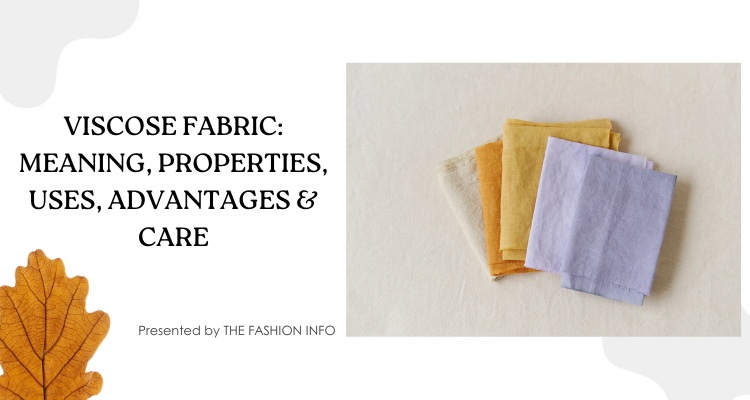
Viscose fabric is a widely used textile in the modern fashion and clothing industry. It is appreciated for its softness, breathability, and smooth texture, which closely resemble natural fabrics. Because of these qualities, viscose is often chosen for garments that require comfort, elegance, and affordability.
Viscose is a type of rayon fabric made from regenerated cellulose and commonly used as an alternative to cotton or silk. As a result, it plays an important role in everyday clothing as well as formal and semi-formal wear.
Table of Contents
What Is Viscose Fabric?
Viscose is a semi-synthetic fabric produced from natural cellulose, usually sourced from wood pulp. Although the raw material is natural, the fiber undergoes chemical processing before it is converted into yarn. Therefore, viscose sits between natural and synthetic fabrics in terms of composition and performance.
Because viscose belongs to the rayon family, it shares many characteristics with other rayon-based textiles. To understand the broader category and how viscose fits within it, refer to this detailed guide on rayon material.
How Viscose Fabric Is Made
The production of viscose begins with extracting cellulose from wood pulp. This cellulose is treated with chemicals to create a thick solution, which is then forced through fine holes known as spinnerets. As the solution solidifies, it forms continuous fibers that are spun into yarn.
Afterward, the yarn is woven or knitted into fabric. Although this process involves chemical treatment, the base material remains plant-derived. As a result, viscose combines natural comfort with consistent manufacturing quality.
Properties of Viscose Fabric
Viscose fabric is known for several key properties that make it suitable for clothing.
First, viscose is soft and smooth against the skin, making it comfortable for long wear. Additionally, it is lightweight and breathable, which helps regulate body temperature in warm weather. Because of this, viscose is commonly used in summer garments.
Moreover, viscose has excellent draping ability. It flows well and enhances the appearance of dresses, skirts, and blouses. However, viscose can wrinkle easily and may lose strength when wet. Therefore, it requires gentle handling and proper care.
Uses of Viscose Fabric in Clothing
Viscose is used across a wide range of apparel categories due to its versatility.
-
Dresses and skirts benefit from its fluid drape
-
Shirts and blouses use viscose for breathability and softness
-
Lining fabrics often include viscose for added comfort
-
Casual wear commonly uses viscose blends
-
Scarves and lightweight fashion accessories frequently use viscose
Because viscose adapts well to different styles, it remains a staple fabric in modern fashion collections.
Advantages of Viscose Fabric
Viscose offers several advantages that contribute to its popularity.
To begin with, it is breathable and moisture-absorbent, which makes it comfortable in warm and humid climates. In addition, viscose feels soft and gentle on the skin, making it suitable for people with skin sensitivity.
Furthermore, viscose provides a natural appearance similar to cotton or silk at a more affordable price. As a result, it allows designers to create elegant garments without high production costs.
Disadvantages of Viscose Fabric
Despite its benefits, viscose also has some drawbacks.
Viscose fabric tends to weaken when wet, which can lead to stretching or tearing if handled roughly. Additionally, it is prone to shrinking if washed improperly. Because of this, viscose garments often require careful washing and drying.
Over time, frequent washing may also cause the fabric to lose shape. Therefore, understanding proper care methods is essential to maintain viscose clothing.
How to Care for Viscose Fabric
Proper care helps extend the lifespan of viscose garments. In most cases, hand washing in cold water is recommended. Gentle detergents should be used to prevent fiber damage.
Instead of wringing the fabric, excess water should be removed by gently pressing it. Afterward, viscose garments should be air-dried on a flat surface. When ironing is necessary, low heat should be used to avoid scorching.
By following these steps, viscose fabric can retain its softness and shape for a longer period.
Viscose vs Other Fabrics
Viscose is often compared with cotton, polyester, and other rayon-based fabrics. Compared to cotton, viscose offers better drape but requires more delicate care. In contrast to polyester, viscose feels more breathable and natural but is less durable.
Because viscose is part of the rayon family, understanding viscose also helps clarify how different rayon-based fabrics perform in various clothing applications.
Final Thoughts
Viscose fabric remains a popular choice due to its comfort, elegance, and versatility. Although it requires careful maintenance, its breathable nature and smooth texture make it suitable for a wide range of garments.
By understanding viscose fabric and its connection to rayon fabric and rayon material, consumers can make informed decisions when selecting clothing that balances comfort, style, and practicality.