
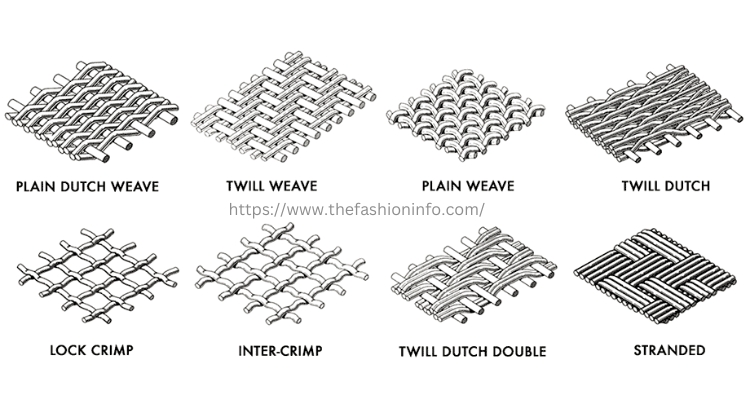
Weaving is a timeless craft that transforms individual threads into intricate textiles. Whether you’re creating a simple cloth or an elaborate tapestry, mastering various weaving techniques types can significantly enhance the quality and uniqueness of your fabric. From traditional hand weaving to modern machine-assisted patterns, understanding these techniques is essential for both hobbyists and professional weavers.
In this article, we’ll explore 10 common types of weaving techniques, breaking down their characteristics, examples, and practical applications.
Table of Contents
1. Plain Weave
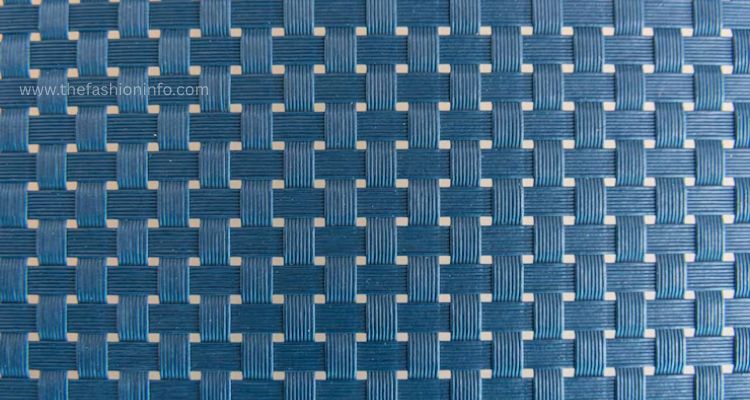
Plain weave, also called tabby weave, is the most basic and widely used weaving style. It involves a simple over-and-under interlacing of warp and weft threads.
Features:
- Strong and durable
- Ideal for light and medium-weight fabrics
Examples:
- Cotton shirts
- Canvas bags
- Muslin cloth
2. Twill Weave
Twill weave creates a diagonal pattern by interlacing the weft thread over two or more warp threads. This technique gives the fabric a textured surface.
Features:
- More flexible and softer than plain weave
- Drapes easily, making it perfect for garments
Examples:
- Denim jeans
- Gabardine jackets
- Twill upholstery
3. Satin Weave
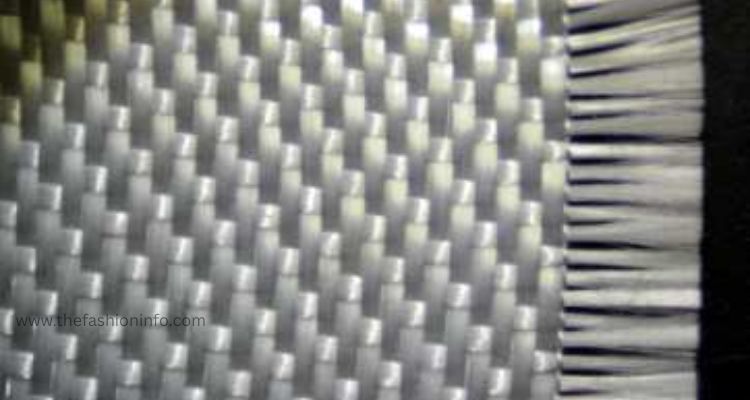
Satin weave produces a smooth, shiny surface by floating weft threads over several warp threads. This technique creates a lustrous fabric with a silky feel.
Features:
- Glossy on the surface and dull on the back
- Prone to snagging
Examples:
- Luxury bedsheets
- Evening gowns
- Satin ribbons
4. Basket Weave
Basket weave uses a variation of the plain weave, where multiple threads are woven together as one. This technique creates a textured, sturdy fabric.
Features:
- Thick and strong fabric
- Excellent for heavy-duty use
Examples:
- Canvas fabrics
- Tweed coats
- Home upholstery
5. Herringbone Weave
Herringbone weave is a variation of the twill weave, creating a zigzag or broken V-shaped pattern. It is commonly used in textured and decorative textiles different weaving methods.
Features:
- Distinctive geometric design
- Strong and durable
Examples:
- Wool suits
- Scarves and shawls
- Interior decor textiles
6. Leno Weave
Leno weave, also known as gauze weave, involves twisting two warp threads around the weft. This results in a fabric that is both strong and lightweight.
Features:
- Prevents thread slippage
- Creates open, breathable fabric
Examples:
- Curtains
- Mosquito nets
- Delicate lace fabric
7. Jacquard Weave
Jacquard weaving is a complex technique that uses a special loom to control individual warp threads, creating intricate patterns.
Features:
- Highly decorative
- Suitable for large-scale designs
Examples:
- Brocade fabrics
- Tapestries
- Damask upholstery
8. Pile Weave
Pile weave creates raised loops or cut ends, forming a textured surface. It’s commonly used for soft, plush textiles different weaving methods.
Features:
- Extra texture and softness
- Ideal for cozy fabrics
Examples:
- Carpets and rugs
- Velvet fabric
- Terry cloth towels
9. Dobby Weave
Dobby weave uses a mechanical attachment on the loom to create small, geometric patterns. It is often found in textured fabrics.
Features:
- Geometric or floral patterns
- Used for decorative purposes
Examples:
- Piqué fabric
- Waffle cloth
- Textured cotton shirts
10. Tapestry Weave
Tapestry weaving is a hand-weaving technique used to create complex, decorative wall hangings or artistic fabrics. It uses discontinuous wefts, making it ideal for picture-like designs.
Features:
- Dense and heavy fabric
- Decorative and artistic
Examples:
- Wall tapestries
- Artistic home decor
- Hand-woven panels
Comparison Table: Key Characteristics of Weaving Techniques types
| Weaving Technique | Key Feature | Best For | Example Products |
|---|---|---|---|
| Plain Weave | Basic over-under pattern | Everyday fabrics | Cotton shirts, muslin cloth |
| Twill Weave | Diagonal texture | Durable garments | Denim jeans, wool jackets |
| Satin Weave | Smooth and glossy surface | Luxury fabrics | Satin dresses, bedsheets |
| Basket Weave | Thick and textured | Heavy-duty textiles | Canvas bags, upholstery |
| Herringbone Weave | Zigzag V-shaped pattern | Stylish outerwear | Wool coats, scarves |
| Leno Weave | Twisted warp threads | Breathable, light fabrics | Sheer curtains, lace |
| Jacquard Weave | Complex patterns | Decorative fabrics | Brocade, damask |
| Pile Weave | Raised loops or cut ends | Plush, soft textiles | Velvet, carpets |
| Dobby Weave | Small geometric patterns | Decorative fabrics | Piqué fabric, waffle cloth |
| Tapestry Weave | Hand-woven artistic designs | Art and decor | Wall tapestries |
Tips for Choosing the Right Weaving Technique
- For durability: Opt for twill or basket weave.
- For luxury and elegance: Satin or Jacquard weave adds a touch of sophistication.
- For artistic expression: Tapestry weaving allows intricate, creative designs.
- For breathable fabric: Leno weave is ideal for lightweight, airy textiles, textile weaving styles.
Conclusion
Mastering different weaving techniques types unlocks a world of creative possibilities, whether you’re crafting functional textiles or artistic masterpieces. From the simplicity of plain weave to the complexity of Jacquard, each technique brings unique characteristics and visual appeal.
If you’re new to weaving, start with basic weaves and gradually experiment with more intricate styles. And don’t forget to have fun – weaving is as much about creativity as it is about technique.