
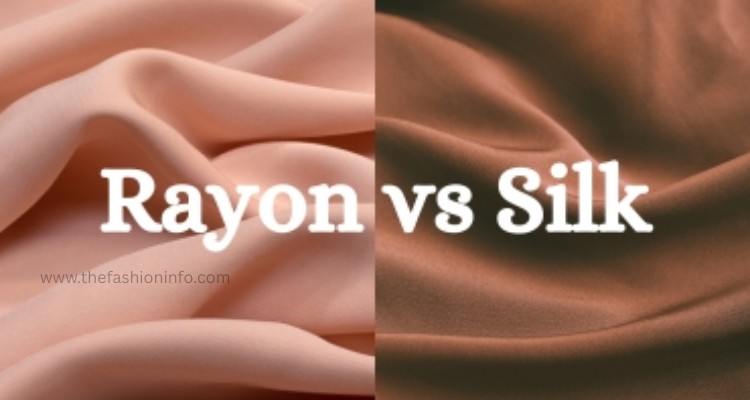
Rayon vs Silk Both are often compared because they share a similar soft texture, smooth appearance, and elegant drape. Both fabrics are widely used in fashion, especially for garments that require comfort and visual appeal. However, despite their similarities, rayon and silk differ significantly in origin, performance, care, and cost.
Rayon fabric material is often chosen as a silk alternative due to its soft texture, making this comparison important for anyone deciding between luxury and affordability in clothing fabrics.
Table of Contents
Overview of Rayon and Silk
At first glance, rayon and silk may look alike. However, they come from very different sources and serve different purposes in the textile industry.
Silk is a natural fabric produced from silkworm cocoons and has been valued for centuries for its luxurious feel and natural sheen. Rayon, on the other hand, is a semi-synthetic fabric made from regenerated cellulose, usually derived from wood pulp. As a result, rayon mimics silk’s appearance while offering greater affordability.
What Is Silk Fabric?
Silk is a natural protein fiber obtained from silkworms. The fibers are carefully harvested, spun into threads, and woven into fabric. Because of this natural process, silk has a unique smoothness and luster that is difficult to replicate fully.
Silk is lightweight, breathable, and gentle on the skin. Therefore, it is commonly used in luxury garments such as sarees, evening dresses, scarves, and premium sleepwear. However, silk is expensive and requires delicate care, which limits its everyday use.
What Is Rayon Fabric?
Rayon is a plant-based fabric that undergoes chemical processing to transform cellulose into fibers. Understanding rayon material helps clarify how it compares to natural silk in terms of comfort, durability, and maintenance.
Rayon is known for its smooth texture, excellent drape, and lightweight feel. Because it closely resembles silk and cotton, rayon is often used in dresses, blouses, and formal wear that require elegance at a lower cost.
Key Differences Between Rayon and Silk
Although rayon and silk share visual similarities, they differ in several important aspects.
Origin and Composition
Silk is a natural animal-based fiber, while rayon is derived from plant cellulose and chemically processed. Therefore, silk is fully natural, whereas rayon is classified as semi-synthetic.
Texture and Appearance
Silk has a natural sheen and a slightly crisp yet smooth feel. Rayon, in contrast, has a softer and more fluid drape. As a result, rayon is often preferred when a flowing silhouette is desired.
Breathability
Both fabrics are breathable. However, silk regulates temperature well in both warm and cool conditions, while rayon feels cooler and is especially suitable for hot climates.
Durability
Silk fibers are strong but delicate and prone to damage if mishandled. Rayon is generally less durable, especially when wet, and requires careful maintenance.
Rayon vs Silk: Uses in Clothing
silk and rayon are used in different types of garments based on cost, care, and purpose.
Silk is commonly used in:
-
Luxury dresses and sarees
-
Scarves and accessories
-
Premium sleepwear and lingerie
Rayon is commonly used in:
-
Dresses and skirts
-
Blouses and tops
-
Lightweight formal and semi-formal wear
Because rayon is more affordable, it is widely used as a silk substitute in fashion-forward clothing.
Comfort and Skin Sensitivity
Both rayon and silk are comfortable and gentle on the skin. Silk is naturally hypoallergenic and suitable for sensitive skin. Rayon is also soft and breathable, although lower-quality rayon may cause irritation due to chemical residues.
Therefore, fabric quality and proper processing play an important role in comfort.
Care and Maintenance Comparison
Silk requires delicate care. Most silk garments need dry cleaning or gentle hand washing. Exposure to heat and harsh detergents can damage the fibers.
Rayon also requires careful handling. It is best washed in cold water and air-dried to prevent shrinkage or weakening. However, rayon is generally easier to maintain than silk and less costly to replace.
Cost and Accessibility
Silk is one of the most expensive natural fabrics due to its labour-intensive production process. Rayon, in contrast, is significantly more affordable and widely available.
As a result, rayon offers a practical option for those who want the look and feel of silk without the high price.
Which Is Better: Rayon or Silk?
The choice between rayon and silk depends on individual needs.
Choose silk if:
-
You want natural luxury
-
You are willing to invest in premium care
-
You need high-end garments
Choose rayon if:
-
You want a silk-like appearance at a lower cost
-
You prefer lightweight, breathable fabrics
-
You need versatile everyday or formal wear
Each fabric serves a distinct purpose, and neither is universally better.
Final Thoughts
Rayon vs Silk are both elegant fabrics valued for their softness and drape. While silk represents luxury and tradition, rayon offers affordability and versatility. Understanding their differences allows consumers to make informed choices based on comfort, budget, and lifestyle.
By comparing rayon and silk carefully, you can select the fabric that best suits your clothing needs and maintenance preferences.