
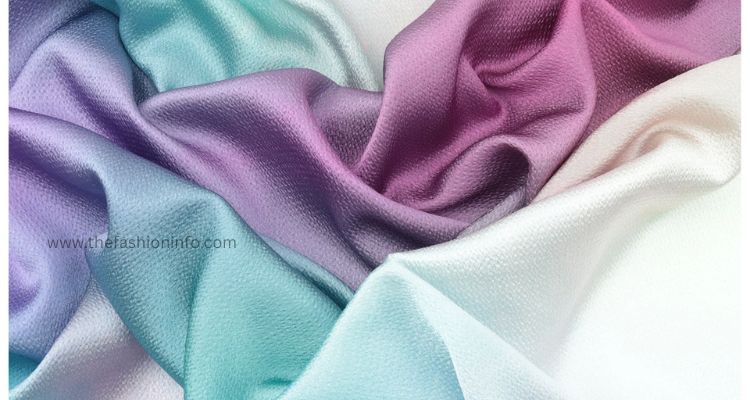
Modal fabric guide : It has become increasingly popular in the clothing and textile industry due to its softness, durability, and breathable nature. It is commonly used in everyday apparel, luxury basics, and activewear because it offers comfort while maintaining a refined appearance. As consumers look for fabrics that balance performance and sustainability, modal continues to gain attention.
Modal belongs to the rayon fabric material family and shares similar characteristics, such as smooth texture, lightweight feel, and excellent drape. However, modal is considered a more advanced variation, offering improved strength and resistance compared to traditional rayon.
Table of Contents
What Is Modal Fabric?
Modal is a semi-synthetic fabric made from natural cellulose, usually derived from beechwood pulp. Although its source is natural, the fiber undergoes chemical processing to create fine, uniform threads that are woven into fabric. As a result, modal sits between natural and synthetic fabrics in terms of performance.
Compared to standard rayon, modal is engineered to be stronger, softer, and more durable. Therefore, it is often used in garments that require frequent washing and long-term wear without losing shape or texture.
How Modal Fabric Is Made
The production of modal begins with harvesting beech trees, which are processed into wood pulp. This pulp is then treated with chemicals to extract cellulose fibers. Afterward, the cellulose is spun into yarn using controlled manufacturing techniques.
Unlike some traditional rayon processes, modal production is often more refined, resulting in fibers that are smoother and more resistant to wear. Consequently, modal fabric guide maintains its softness and structure even after repeated use.
Properties of Modal Fabric
Modal fabric is known for several distinctive properties that make it suitable for modern clothing.
First, modal is exceptionally soft, often compared to silk or high-quality cotton. Additionally, it is lightweight and breathable, allowing air to circulate easily. As a result, modal is comfortable to wear in warm and humid conditions.
Moreover, modal has excellent moisture-wicking properties. It absorbs moisture efficiently and dries quickly, which helps keep the skin dry. Unlike traditional rayon, modal is less likely to shrink and retains its shape well. However, it may still wrinkle if not cared for properly.
Uses of Modal Fabric in Clothing
Modal is widely used across different types of apparel due to its versatility and durability.
-
T-shirts and everyday basics use modal for softness and comfort
-
Underwear and sleepwear rely on modal for breathability
-
Activewear benefits from modal’s moisture absorption
-
Dresses and skirts use modal for smooth drape
-
Blended fabrics combine modal with cotton or spandex for flexibility
Because of its adaptability, modal is commonly found in both casual and premium clothing collections.
Advantages of Modal Fabric
Modal fabric guide offers several advantages that make it a preferred choice for many manufacturers and consumers.
To begin with, it is softer and more durable than standard rayon. In addition, modal resists shrinking, fading, and pilling better than many other semi-synthetic fabrics. Therefore, garments made from modal tend to last longer.
Furthermore, modal is breathable and gentle on sensitive skin. Because it is derived from natural cellulose, it provides a natural feel while maintaining the consistency of manufactured textiles.
Disadvantages of Modal Fabric
Despite its benefits, modal also has some limitations.
Modal fabric can be more expensive than regular rayon due to its refined manufacturing process. Additionally, although it is more durable, improper washing may still cause damage over time. Therefore, care instructions should be followed carefully.
In some cases, modal production involves chemical processing, which raises environmental concerns if not managed responsibly.
Modal Fabric Care Instructions
Caring for modal fabric is relatively simple when done correctly. Most modal garments can be machine washed on a gentle cycle using cold water. Mild detergents are recommended to preserve fiber quality.
It is best to avoid high heat when drying. Air drying or tumble drying on low heat helps maintain softness and prevent shrinkage. When ironing is needed, low heat should be used to avoid weakening the fibers.
With proper care, modal garments remain soft and comfortable for extended periods.
Modal vs Other Rayon-Based Fabrics
Modal is often compared with viscose and lyocell. Compared to viscose, modal is stronger and less prone to shrinking. In contrast, lyocell is considered more eco-friendly due to its closed-loop production process.
To fully understand how modal fits into the broader fabric category, learn more about rayon material to understand how modal compares with other rayon types.
Final Thoughts
Modal fabric guide is a premium choice within the rayon family, offering enhanced softness, durability, and comfort. Although it may cost more than traditional rayon, its long-lasting quality and versatile performance make it a valuable fabric for modern clothing.
By understanding modal fabric and its relationship to the broader rayon category, consumers can make informed decisions when choosing garments that balance comfort, longevity, and style.